







Search Results for: US-Canada trade war
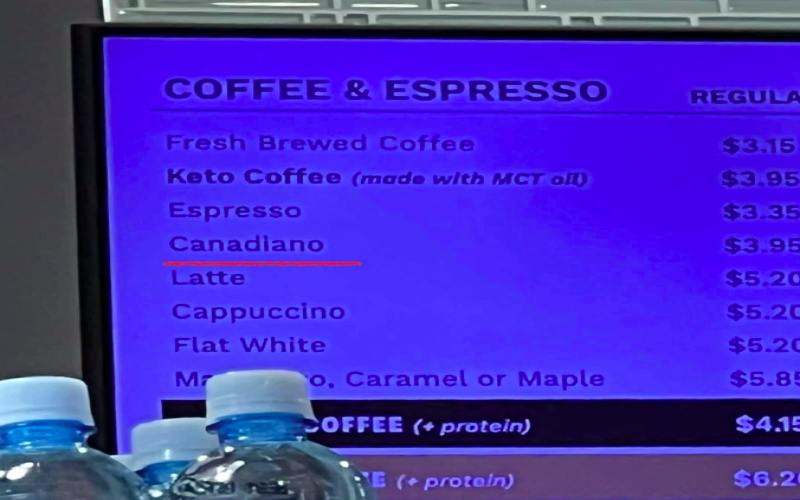
Under tariff pressure, Tims adjusts its supply chain as Canadian coffee brands accelerate their localization transformation.
The U.S. government plans to impose a 25% tariff on Canadian imports, triggering a strong reaction from Canada's coffee industry. Some independent cafes are renaming "Americano" to "Canadiano" in protest, while the domestic chain brand Tims has chosen to tackle the issue at the supply chain level, planning to reduce its reliance on American suppliers and shift toward local sourcing. However, this adjustment could affect multiple links such as coffee beans, ingredient materials, and packaging materials, thereby impacting product taste, packaging, and even pricing. At the same time, Canadian consumers' acceptance of "100% localized" products remains to be seen, as the previously launched local egg breakfast series met with a cold market reception. [more…]

Cockroach Found in Iced Latte Cup at Toronto Tims, Employee Says Pest Problem Hard to Eradicate, Sparking Food Safety Debate
Recently, a Tims location in Toronto made headlines on social media after a soaked cockroach was found in an iced latte. The customer and a friend both fell ill after drinking it. Although they received a refund, they felt the brand did not take due responsibility. Even more shocking was the staff's unusually calm response, saying that cockroaches sometimes get mixed into iced coffee packaging and that the store could not completely prevent it. After the incident came to light, many netizens posted photos and videos of cockroaches crawling inside Tims stores, and exposed practices such as employees picking up dropped paper cups and continuing to use them, and grabbing Timbits with bare hands. Some former employees even posted photos of filthy back kitchens, saying they quit the same day they started work. Tims, once hailed as Canada's national pride, is now deterring both new and old customers due to frequent hygiene problems. This article summarizes the course of the incident and reactions from all sides, and includes Front Street brand recommendations and product information of interest to coffee lovers. [more…]
From Berlin's first coffeehouse to the world's second-largest consumer nation: the historical trajectory of German coffee culture and the Latin American cultivation landscape
In 1721, the first coffeehouse opened in Berlin, marking the beginning of Germany's coffee industry, which started slowly amid policy restrictions but rose rapidly in the 19th century through Latin American plantations and immigrant networks. German merchants once controlled more than 80 percent of Guatemala's coffee bean exports, and two world wars caused this coffee domain to rise and fall several times. After the war, Germany's economy recovered, and its position in the coffee trade was rebuilt accordingly. Today Germany is the world's second-largest coffee-consuming country, and its per capita consumption far exceeds that of the United States. This article sorts out the complete thread of German coffee culture from its budding beginnings and expansion to its revival, and is suitable for readers interested in coffee history and the industrial landscape to savor carefully. [more…]
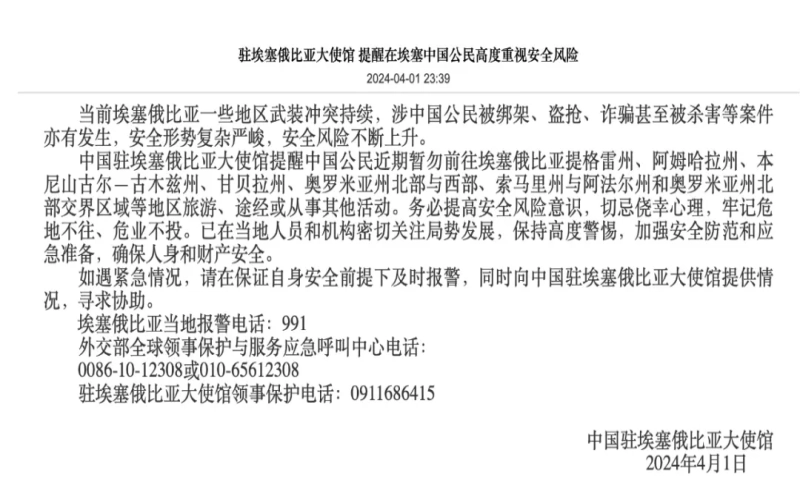
The Chinese Embassy in Ethiopia has issued a safety reminder: temporarily avoid travel to high-risk areas such as Tigray, affecting the coffee trade and tourism.
Recently, the Chinese Embassy in Ethiopia issued a notice advising Chinese citizens to temporarily avoid traveling to several high-risk areas, including Tigray and Amhara regions. The country's protracted civil war and local armed conflicts continue to spread, not only creating security risks but also severely impacting an economy and tourism industry that rely on coffee and agriculture and animal husbandry as pillars. As the recognized birthplace of coffee, Ethiopia's turbulent situation also affects the travel plans of coffee traders and bean hunters. This article outlines the background of the conflict, its impact on the economy and the coffee industry, and reiterates the embassy's safety recommendations, reminding those planning to travel to the country to remain highly vigilant and ensure their personal and property safety. [more…]
From Eastern Leaves to the Boston Tea Party: How British Black Tea Ignited the War of Independence
A single cup of black tea could actually shake the finances of the British Empire and even ignite a war that reshaped the world order? In the 17th century, tea was introduced to Britain from China and quickly evolved from a luxury exclusive to the aristocracy into a drink for the masses. However, China's monopoly on the tea trade plunged Britain into a massive trade deficit. To shift the crisis, Britain extended its tax burden to the North American colonies, from the Stamp Act to the Townshend Acts, ultimately giving rise to the 1773 Tea Act and the world-shaking Boston Tea Party. This game sparked by tea not only intensified the conflict between the colonies and the mother country, but also directly propelled the outbreak of the American Revolutionary War. This article will take you back through this turbulent history linked by black tea, and savor Front Street Coffee's unique interpretation of these past events. [more…]

Luckin surpasses 20,000 stores but faces profit pressure: the coffee industry dilemma behind the price war and declining same-store sales
Luckin Coffee's Q2 2024 financial report shows total net revenue of 8.403 billion yuan and net profit of 871.1 million yuan, with the total number of stores approaching 20,000. However, same-store sales at self-operated stores fell 20.9% year-on-year, and Starbucks' same-store sales in the Chinese market also dropped 14%. Beneath the surface of growth in both revenue and store count, the same-store data reveals hidden concerns. The price war continues to escalate, with promotions of 9.9 yuan or even 6.6 yuan emerging one after another. Brands are trading low prices for sales volume, yet profitability pressure is hard to conceal. Leading brands and small and medium-sized brands alike are caught in the scramble for locations, with stores opening ever more densely while the survival space of individual stores is continuously squeezed. This article will combine the latest financial report data to analyze why Luckin finds it harder to make money amid scale expansion, and to explore the evolution of the competitive landscape in the coffee industry. [more…]

Coffee Trade Impasse Shows Signs of Relief: Shipping Lanes Poised to Reopen—Can Returning Supply Bring Coffee Prices Down?
Recently, the coffee market has experienced a noticeable price increase, driven by a mix of extreme weather, new EU regulations, shipping disruptions, and geopolitical conflicts. The El Niño phenomenon has led to reduced production and exports in several coffee-producing countries, the EU Deforestation Regulation has made importers hesitant to move forward, and the drought in the Panama Canal along with armed threats in the Red Sea have extended shipping times. Add to that war and inflation suppressing consumption and high interest rates driving up trade costs, and coffee futures prices soared at one point. However, some positive signals have emerged recently: El Niño is expected to weaken after March-April 2024, and production and exports from producing countries may recover; meanwhile, the "Operation Prosperity Guardian" initiative has given shipping companies hope of returning to Red Sea routes. Does this mean coffee prices are likely to fall? This article will sort through the whole story and bring you Front Street Coffee's observations and recommendations. [more…]

Yemeni Coffee: From Glory to Rarity—The War, Khat, and Processing Dilemmas Behind the Drastic Drop in Production
Yemen was once a pioneer of the global coffee trade, and the name of the port of Mocha remains a classic symbol in the coffee world to this day. Yet this country, the first to cultivate coffee as a crop on a large scale, now rarely appears on everyday coffee lists. Frequent wars, the encroachment of khat cultivation, and water shortages that have left processing methods lagging behind once reduced Yemen's annual coffee output to just 0.1% of the global total, with specialty beans being even rarer. This article will review the historical standing and flavor characteristics of Yemeni coffee, analyze the multiple reasons for its decline, and introduce the alchemy processing method that has emerged in recent years, so as to give you a fresh understanding of this rare and niche coffee-producing country. [more…]

Ethiopia will allow foreign capital to participate in trade.
Recently, according to the local Ethiopian media reporter network, under the leadership of Ethiopian Prime Minister Abiy, the Ethiopian Investment Commission (EIC) has issued a new law that will allow foreign enterprises to participate in import and [more…]

Ethiopia Relaxes Foreign Investment Access: Coffee Export and Other Sectors Opened to Foreign Enterprises
The Ethiopian Investment Commission recently issued new regulations allowing foreign companies to engage in import/export, wholesale, and retail trade for the first time, with coffee exports becoming the most closely watched area of liberalization. Previously, these sectors were long restricted by protectionist policies and open only to local investors. Although the new policy sets a relatively high capital threshold, it has already sparked strong interest in the international coffee industry. However, ongoing security conflicts in some parts of the country have also added uncertainty to foreign investment entry. This article outlines the key points of the new regulations, industry reactions, and potential risks, and includes related observations from Front Street Coffee. [more…]
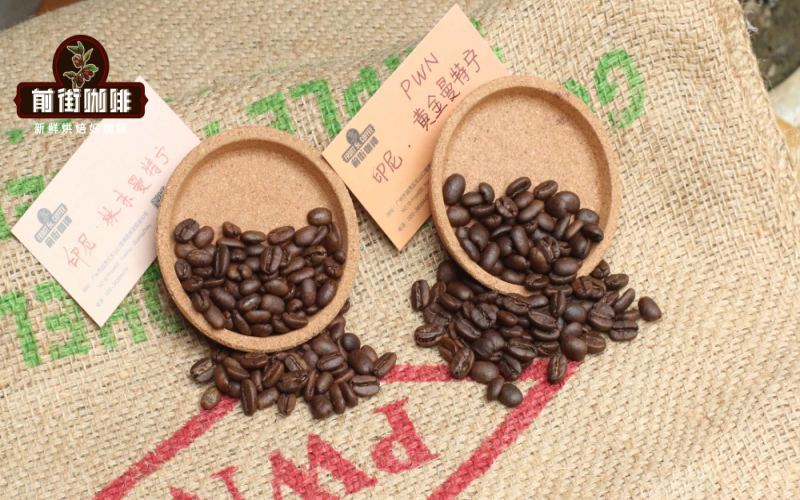
PWN Mandheling G1 vs. Golden Mandheling: A Full Analysis of Grading, Processing Methods, and Flavor Differences
The name Mandheling originates from a beautiful misunderstanding during World War II, and today almost all of Indonesia's finest Mandheling comes from PWN (Pwani Coffee Company). G1 represents the highest grade of washed beans, with no more than 3 defective beans per 300 grams; Golden Mandheling, on the other hand, requires four rounds of hand sorting, with an annual output of less than 1 ton. This article systematically sorts out the unique characteristics of PWN Mandheling G1 and Golden Mandheling, from historical anecdotes, grade standards, and origin processing methods to cupping flavors, and compares the differences in Lintong Mandheling's performance in terms of fruit acidity, body, and herbal aroma, helping coffee enthusiasts understand the flavor codes and key purchasing points of these two top-grade Mandheling coffees, while also introducing the related product features of the Front Street Coffee brand. [more…]

Mandheling: From Southeast Asian Plantations to the Specialty Wave—A History of Coffee in Motion Across Three Centuries
While Yirgacheffe has taken the specialty coffee world by storm with its bright fruity acidity, Mandheling's rich, mellow, woody aroma still lingers in the minds of many seasoned connoisseurs. Starting from flavor, this article traces the three-hundred-year history of coffee circulation behind Mandheling: from the Dutch East India Company's establishment of coffee plantations in Indonesia, to the Nanyang Chinese who ran the coffee trade, to postwar Japan's reverence for Mandheling, and the origin of the name Golden Mandheling. Front Street Coffee's perspective runs throughout, showing you how a single cup of Mandheling carries half of coffee history, and helping you understand the depth of traditional coffee's taste memory. [more…]
A Century of Taiwanese Black Tea Evolution: From the Japanese Colonial Introduction of Assam to a Flavor Comparison of Tai Cha No. 18 and Tai Cha No. 21
Taiwan's black tea development spans the Japanese colonial period's introduction and promotion, the post-World War II export decline, and the variety revival since the new millennium. In 1923, Assam tea seeds were introduced from India, and Sun Moon Lake became the most successful production area thanks to its 600-800 meter elevation and humid, misty climate. In 1936, the Taiwan Tea Research and Extension Station was established, and black tea once accounted for more than half of Taiwan's total output. After 1971, export trade shrank, and tea farmers switched to producing oolong tea. It was not until 1999 and 2008 that TRES successively released TTES No. 18 (Ruby Black Tea) and TTES No. 21, injecting new vitality into Taiwan's black tea. This article will trace this history, compare the flavor characteristics of the two representative varieties, and introduce the high-quality Taiwan black teas recommended by Front Street Coffee. [more…]

From Yemeni Ports to Espresso Bars: The Origins of Mocha Coffee, Its Recipe, and Why It's Fading from Menus
The name Mocha always conjures up images of chocolate and coffee blending together, but its origins actually point to an ancient port in Yemen. From the coffee trade monopoly of Mocha Port in the 15th century, to Italians using cocoa powder to imitate the flavor of Mocha beans in the 18th century, to the rise of fancy coffee drinks after World War II, Mocha coffee has undergone a rather winding evolution. This article traces the historical thread of Mocha coffee, explains its essential differences from a latte, introduces the specific method and recipe for a traditional Mocha, and analyzes why this high-sugar drink appears less and less on menus amid the specialty coffee wave and healthy eating trends. At the end, Front Street digs out its long-stored chocolate sauce to revisit the process of making an iced Mocha with everyone. [more…]
Exploring the Development History and Flavor Characteristics of Brazilian Coffee Regions, with Recommendations for Front Street Coffee Red Bourbon and Queen's Estate Yellow Bourbon
Brazil is the world's largest coffee producer, accounting for more than thirty percent of the global market share, and any transport strike or extreme weather can move international coffee futures prices. This article traces the history of Brazilian coffee from its introduction in 1727 to the present, reviews how the American Revolutionary War, the Civil War, and the Great Depression profoundly shaped Brazil's coffee industry, and introduces each of its six major producing states, including Bahia, Espírito Santo, and Minas Gerais. It also draws on the Front Street Coffee bean list to analyze the flavor profiles, processing methods, and brewing recommendations of two representative coffees—Brazil Red Bourbon Semi-Washed and Queen's Estate Yellow Bourbon Natural—helping enthusiasts gain a comprehensive understanding of the unique charm of Brazilian coffee. [more…]
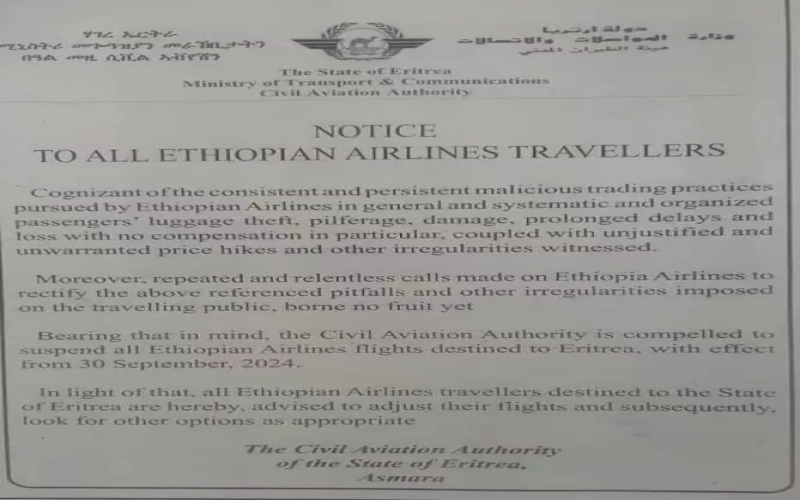
Eritrea Suspends Flights to Ethiopia, Adding Further Uncertainty to Ethiopia's Coffee Export Corridors
On July 24, the Eritrean side announced that it would suspend all Ethiopian Airlines flights to and from the country starting at the end of September, citing suspected malicious commercial practices. Ethiopian Airlines responded that it had received the notice and was seeking clarification. At the same time, Ethiopia is already facing multiple pressures on its export routes, including the Red Sea crisis, the suspension of operations at Djibouti Port, and tensions between Somalia and Eritrea, severely obstructing the outward shipment of coffee and other goods. This article will sort out the context of this flight suspension incident, analyze its deep impact on Ethiopia's coffee industry and import-export trade, and pay attention to potential fluctuations in the supply chains of producing areas for brands such as Front Street Coffee. [more…]
Red Sea shipping disruptions drive up coffee transport costs, war risk surcharges introduced, global prices continue to climb
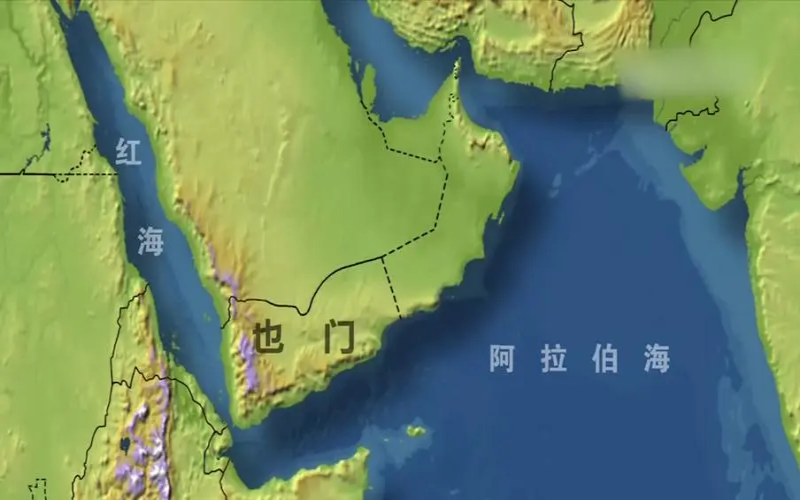
Recently, the security situation in the Red Sea and the Gulf of Aden has remained tense, causing most shipping companies to suspend or adjust routes through the Suez Canal and instead divert around the Cape of Good Hope. In its latest monthly logistics report, Swiss coffee trader Sucafina noted that frequent armed attacks have sharply increased risks near the Bab-el-Mandeb Strait; some carriers have resumed passage, but several companies, including CMA CGM and Maersk, have announced they will impose war risk surcharges. Route changes have extended shipping cycles by 2 to 3 weeks, reduced container turnover efficiency, and tightened capacity, which may further push up freight rates. Meanwhile, coffee transport in East African producing regions has been disrupted by truck and fuel shortages, with severe congestion at ports such as Dar es Salaam. Although Vietnamese robusta coffee prices have edged down slightly, Brazilian coffee prices have continued to rise on drought concerns. Front Street Coffee notes that supply chain pressure is transmitting from the shipping side to the consumption side, and coffee prices still face upside risks in the short term. [more…]
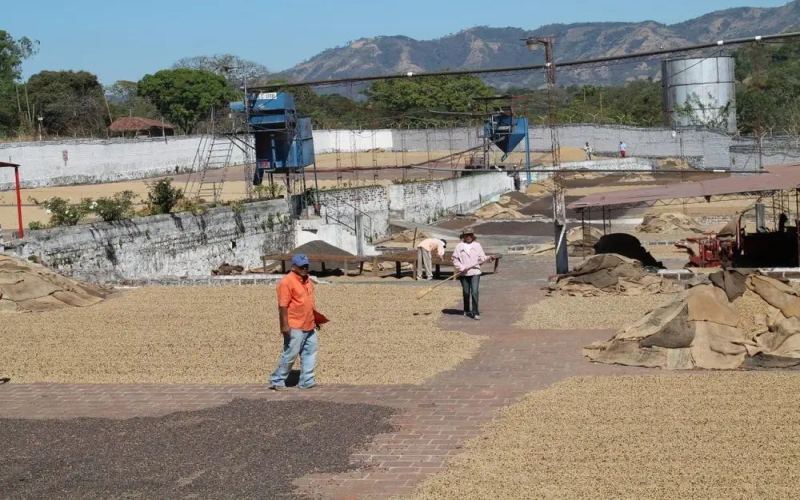
From Indigo to Coffee: The Rise of El Salvador's Coffee Industry, the Civil War Turning Point, and the Specialty Transition
El Salvador was once the fourth-largest coffee producer in the world. After coffee was introduced in 1880, it quickly replaced indigo as the country's most important export crop and economic pillar. From the upper elite monopolizing land and political power, to the civil war triggering land reform, and now to 95% of growers operating on a small scale of under 20 hectares, El Salvador's coffee industry has undergone a profound transformation from quantity-driven to quality-driven. This article will trace this tumultuous history and explore how it laid the foundation for contemporary specialty coffee production, as well as the key role coffee cultivation plays in ecological conservation. [more…]
A Complete Analysis of El Salvador's Coffee Regions, Flavors, and Varieties: Aida Batlle and Her Bourbon Cultivation Legacy
Salvadoran coffee is renowned for its steady, mellow body paired with a lively, complex aroma. In the late 19th century, coffee cultivation took root in this land, and the upheavals of civil war paradoxically allowed many old varieties to survive. This article will guide you through the flavor characteristics of Salvadoran coffee, its main varieties, and the moving story of the legendary female coffee farmer Aida Batlle—returning from the United States to her homeland, winning the COE and setting a price record, and her commitment to organic farming and low-yield, high-quality Bourbon. At the same time, Front Street Coffee also recommends related products for you, so you can experience the unique charm of Central American coffee together. [more…]

Origins of Indonesian Mandheling Coffee: An Analysis of Variety Lineage, Wet-Hulling Process, and the Causes of Its Full-Bodied Flavor
Mandheling is the iconic representative of Indonesian coffee, renowned for its rich, full-bodied taste and herbal, dark chocolate flavors, and is deeply favored by dark roast enthusiasts. This article, from the perspective of Front Street, traces the colonial planting history of Indonesian coffee, focuses on the Sumatra producing region, and recounts the WWII anecdote behind the name Mandheling and the legendary Golden Mandheling of PWN company. At the same time, it breaks down in detail each step of the wet-hulling process, analyzing how it shapes the low acidity, high body, and unique earthy spicy aroma. The article also introduces two Mandheling products currently sold by Front Street and their flavor performance, taking you through a comprehensive understanding of this pearl of Indonesian coffee. [more…]